Take the first step to starting your new career in 2026!




And join over 63,000+ students who passed the UBC Exams



The FIFA World Cup 2026 is coming to Vancouver and with it a massive influx of visitors.
Unfortunately, according to recent reports, Vancouver may face a shortfall of up to 70,000 guest nights (which translates into about 15,000 fans) without accommodations on peak days (Airbnb Newsroom+1).
This is largely because there are not enough hotel rooms in the area and BC’s new short term rental laws (vacation rental laws), which now restricts the type of residences that can be rented out for less than a month at a time.
So where are all of those people going to stay?
While there are restrictions and plenty of paperwork around short-term rentals, there is still a unique opportunity for property owners who are willing and able to meet the requirements to host vacation rentals.
Property owners can potentially make thousands of dollars to tens of thousands of dollars over the course of the World Cup, depending on their proximity to BC Place or transit, number of beds, quality of furnishings, and a variety of other factors.
If you’re wondering if you qualify and are considering listing your property, here’s how to prepare — including what the rules are today, what costs to expect, what process to follow, and how to market smartly.
Here’s a breakdown of key regulatory requirements for vacation rentals in Vancouver (as of late 2025) that you’ll need to satisfy to host legally. Note: rules may change — always check current municipal and provincial regulations.
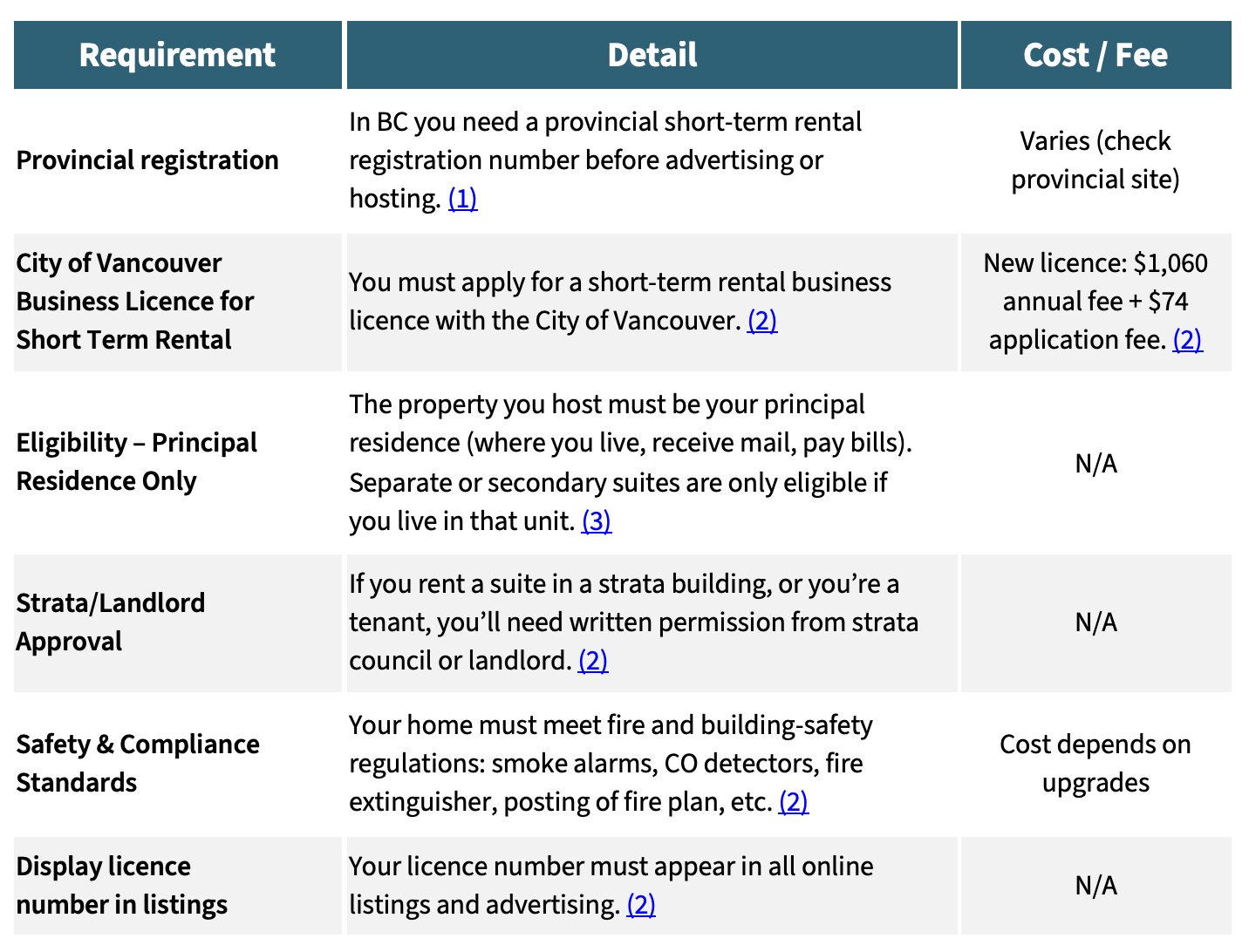
Links from table: (1), (2), (3)
Since the World Cup will pull in large visitor numbers, you’ll want to have everything in place well ahead of time — ideally many months in advance.
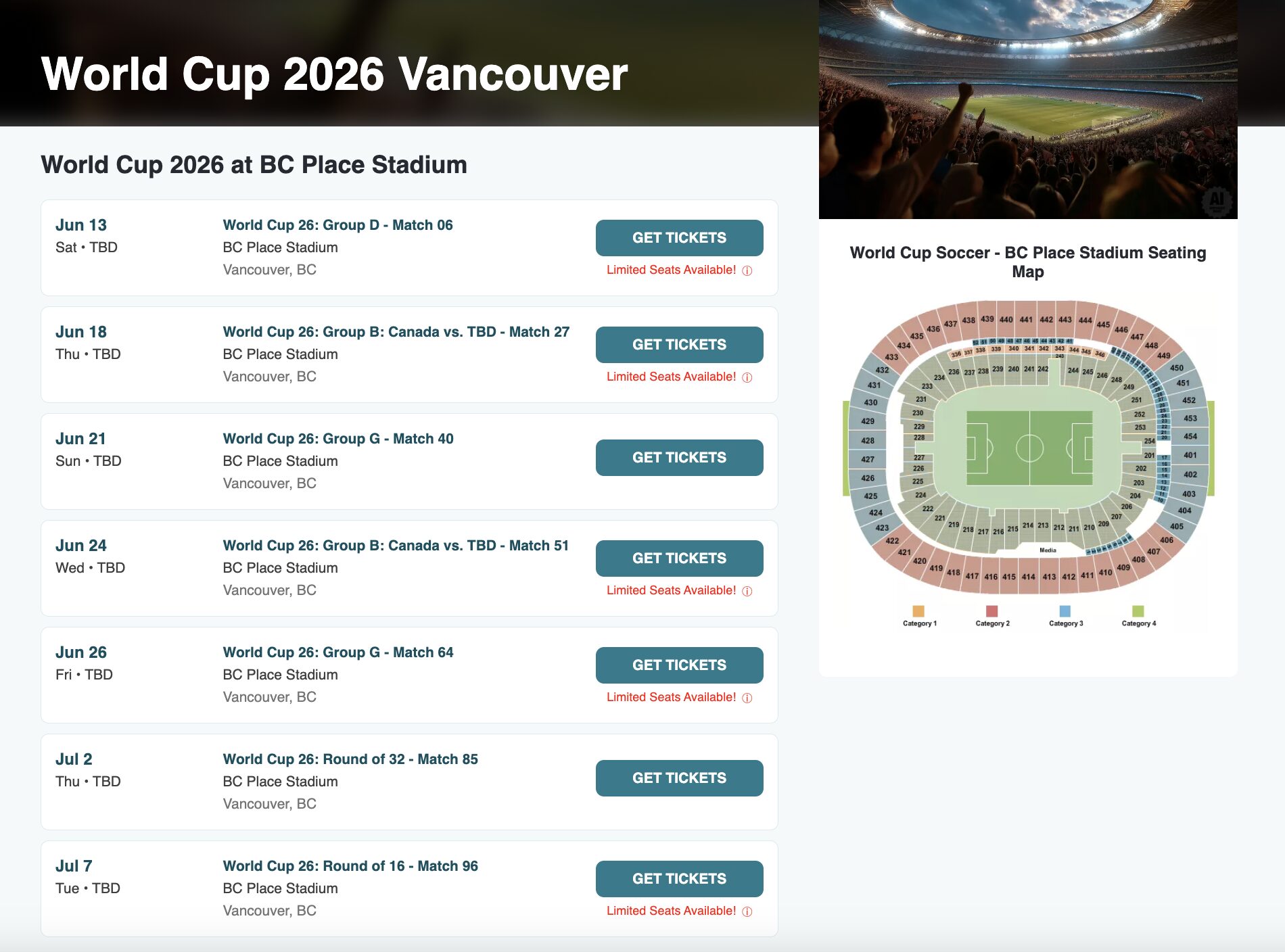
In fact, several of the games already have very limited seats still available for purchase.
Here’s a recommended timeline:
Now (as of late 2025):
6 months ahead of event peak:
3 months ahead:
Event time:
After event:
To maximise visibility and bookings during World Cup 2026, consider the following:
Regulatory changes: Municipal or provincial rules may change (especially around a major event). For example, guests expect easier hosting during the event, but licensing fees are still current and enforcement remains tight. Biv+1
Strata/Building bylaws: Some strata buildings may prohibit short-term rentals or require special approvals — check your strata’s bylaws and get written confirmation.
Insurance: Standard homeowner or condo policies may not cover short-term rental business risk. Confirm with your insurer that your property and hosting model is covered.
Neighbour/Noise risk: Hosting around an international event means higher traffic and higher guest expectations — noise, parking, trash and community relations become very important.
Demand vs Supply: While demand is expected to surge, competition will increase and supply may be constrained by regulations — operate responsibly and realistically.
Tax implications: Income earned through Short-Term Rentals is taxable. You may also be subject to provincial hotel or accommodation taxes — consult a tax advisor.
Prepare for cancellations / event changes: Match schedules, visitor numbers and accommodation demand may shift — maintain flexibility in your cancellation/refund policy.
If you’re a Vancouver property owner and ready to meet the regulatory requirements, properly prepare your property, and market effectively, the World Cup 2026 period may offer a significant opportunity.
Despite speculation, there is currently no indication that Vancouver will loosen short-term rental rules during the World Cup. With this in mind, start early, obtain your licence and registration promptly, and position your vacation rental now to have the most success.
Remember: this guide is only a starting point. Policies, fees, regulations and demand may change — always verify with the latest information from the City of Vancouver (short-term rentals section) and the Province of British Columbia. Vancouver+1