Take the first step to starting your new career in 2026!



And join over 63,000+ students who passed the UBC Exams


For generations, property buyers in Canada believed that fee simple ownership was the strongest, most secure form of land ownership available anywhere in the common-law world. Realtors and lawyers repeated the same message: “You own it outright. The title is indefeasible. No one can challenge it.”
In simple terms, fee simple means you have full control of the property- you can live on it, sell it, build on it, or leave it to your children – but you still don’t own the land itself because the Crown remains the true owner underneath
This same legal structure exists in every country that adopted the British common-law system – meaning what is happening in Canada can affect the entire global common-law family: USA, U.K., Ireland, Australia, New Zealand, most of the Caribbean, much of Africa, Israel, many Asian nations (incl. India, Hong Kong, Singapore)
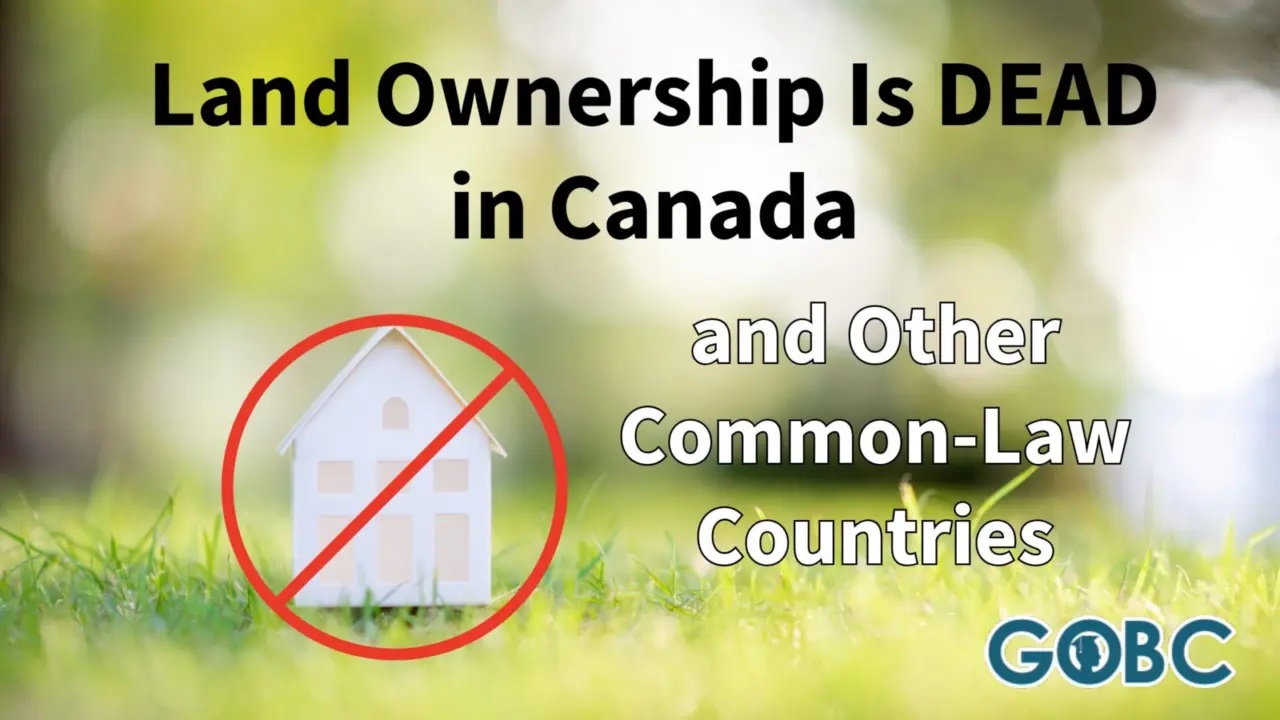
Land certainty is now over – Fee simple is NOT the highest form of land ownership. Aboriginal title is.
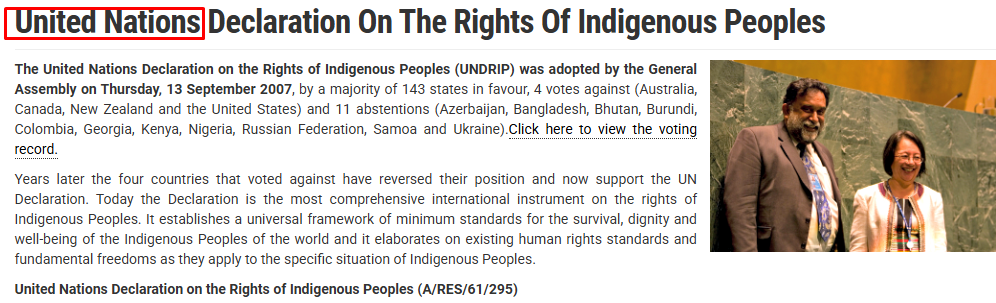
A series of landmark court decisions in British Columbia – particularly the 2025 Richmond ruling- has shattered the old assumptions. Courts have now confirmed that Aboriginal title can override fee simple title, even in major urban areas, and that private land rights exist beneath constitutionally protected Indigenous land rights.
For the first time in Canadian history, the legal foundation of land ownership itself has been declared unstable, and the consequences are spreading far beyond B.C.
Within just weeks of the Richmond decision, Aboriginal title claims surged across Canada as other First Nations moved quickly to assert their land rights. What began in one pocket of Richmond spread into a national wave. New claims were filed, paused claims were revived, and ongoing cases gained momentum – not only in B.C., but across multiple provinces.
BRITISH COLUMBIA –fastest and most aggressive surge in new claims – many in areas with major cities, highways, and private properties.
Kamloops & Sun Peaks Area
Vancouver Island
Fraser Valley
Lower Mainland / Metro Vancouver
North Coast & Interior
ALBERTA (Major Foothills & Prairie Expansion)- rapid revival of claims affecting rural towns, oil & gas corridors, and growing suburbs.
Blackfoot Confederacy Expansion
Stoney Nakoda Nations
Northern Alberta / Dene Tha’
SASKATCHEWAN (Cree & Métis Territory Movements)- claims expanded across farmland, towns, and historical settlement corridors.
Cree Nations
Métis Settlement Areas
MANITOBA (Treaty Land Entitlement Expansion)
Anishinaabe & Swampy Cree Regions
Métis Federation
ONTARIO (Massive Resurgence Focused on Southern Ontario)- especially large surge because of long-standing unresolved claims.
Six Nations – Haldimand Tract
Algonquin Land Expansion
Anishinaabe Nations (Northern Ontario)
Treaty Breach Cases
QUÉBEC (Rapid Growth in Innu & Atikamekw Claims)- surge focused on northern and central regions, plus key southern communities.
Innu Nation (Côte-Nord Region)
Atikamekw Nation
Mohawk Communities
ATLANTIC CANADA (Mi’kmaq & Innu Expansion)
Nova Scotia
New Brunswick
Prince Edward Island
Newfoundland & Labrador
For ordinary Canadians, the surge in Aboriginal title claims means growing uncertainty around land ownership and what it truly means to “own” property. Home values in affected areas may become unstable, and some people could find it harder to sell or refinance. Banks may tighten mortgage approvals, making financing more difficult in regions with active claims, while insurance companies may raise costs or add new conditions. Cities could experience delays in building permits and renovations as they determine who has legal authority over the land. Overall, owning property in Canada may become more complex, more costly, and more dependent on negotiations with Indigenous nations.